
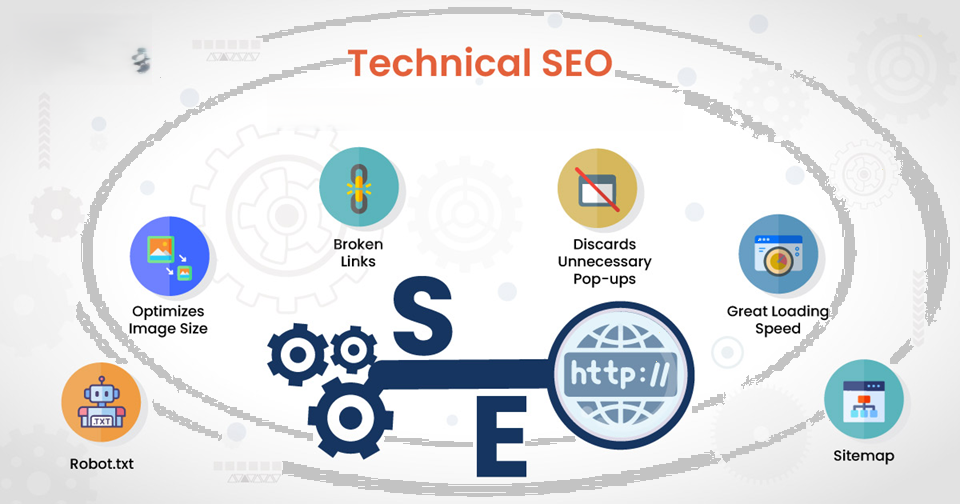
Search Engine Optimization (SEO) is one of the most important aspects of digital marketing. While many people focus on creating content and building backlinks, technical SEO plays a crucial role in helping search engines understand, crawl, and index a website effectively. Without a strong technical foundation, even the best content may struggle to achieve high rankings in search results.
Understanding Technical SEO
Technical SEO refers to the process of optimizing a website’s infrastructure so that search engines can crawl, index, and rank its pages efficiently. Unlike on-page SEO, which focuses on content and keywords, or off-page SEO, which involves backlinks and external signals, technical SEO deals with the backend aspects of a website.
The primary goal of technical SEO is to improve a website’s performance, accessibility, and usability for both search engines and users.
A technically optimized website helps search engines discover content more easily and provides visitors with a better browsing experience.
Why Technical SEO Is Important
Technical SEO is important because search engines need to access and understand your website before they can rank it. If your site has technical issues such as broken links, slow loading speeds, or indexing problems, it may not perform well in search results.
Some benefits of technical SEO include:
- Better search engine visibility
- Faster website performance
- Improved user experience
- Higher crawl efficiency
- Increased organic traffic
- Better mobile usability
- Enhanced website security
A website with strong technical SEO creates a solid foundation for all other SEO efforts.
Key Components of Technical SEO
1. Website Crawling
Search engines use automated bots known as crawlers or spiders to explore websites. These bots follow links and collect information about web pages.
Technical SEO ensures that crawlers can access important pages without encountering obstacles.
Common crawling issues include:
- Broken internal links
- Incorrect robots.txt settings
- Poor website structure
- Orphan pages
A well-organized site helps search engines crawl content more efficiently.
2. Website Indexing
After crawling a page, search engines decide whether to add it to their index. If a page is not indexed, it will not appear in search results.
Technical SEO helps ensure that important pages are properly indexed while preventing duplicate or unnecessary pages from entering the index.
Factors affecting indexing include:
- Noindex tags
- Canonical tags
- Duplicate content
- XML sitemaps
Regularly checking indexed pages can help identify potential issues.
3. Website Speed and Performance
Page speed has become an important ranking factor and user experience metric.
Visitors expect websites to load quickly. Slow-loading pages often result in higher bounce rates and lower conversions.
Ways to improve website speed include:
- Compressing images
- Enabling browser caching
- Minimizing CSS and JavaScript files
- Using a Content Delivery Network (CDN)
- Upgrading hosting services
Faster websites provide a smoother experience and often achieve better rankings.
4. Mobile-Friendliness
Most internet users now browse websites using mobile devices. Search engines prioritize mobile-friendly websites because they offer a better user experience.
A mobile-friendly website should:
- Display correctly on all screen sizes
- Have readable text without zooming
- Include easy-to-click buttons
- Load quickly on mobile networks
Responsive web design is one of the most effective ways to ensure mobile compatibility.
5. Secure Website (HTTPS)
Website security is another important aspect of technical SEO.
HTTPS encrypts data exchanged between users and the website, helping protect sensitive information.
Benefits of HTTPS include:
- Increased user trust
- Improved security
- Better search engine rankings
- Protection against data theft
Most modern websites use SSL certificates to enable HTTPS.
6. XML Sitemap
An XML sitemap acts as a roadmap for search engines by listing important pages on a website.
It helps search engines discover new and updated content more efficiently.
A good XML sitemap should:
- Include important pages
- Exclude duplicate pages
- Be updated regularly
- Be submitted to search engines
Sitemaps are especially useful for large websites with many pages.
7. Robots.txt File
The robots.txt file tells search engine crawlers which sections of a website they can or cannot access.
This file helps control crawler behavior and prevent unnecessary pages from being crawled.
However, incorrect robots.txt settings can accidentally block important pages from search engines.
Regular audits help ensure proper configuration.
8. Structured Data Markup
Structured data, also known as schema markup, provides additional information about webpage content.
It helps search engines understand content more accurately and may enhance search listings with rich results.
Examples of schema markup include:
- Product information
- Reviews and ratings
- FAQs
- Events
- Articles
Structured data can improve visibility and increase click-through rates.
9. Canonical Tags
Duplicate content can confuse search engines and dilute ranking signals.
Canonical tags indicate the preferred version of a page when multiple similar versions exist.
For example, if a product page is accessible through different URLs, a canonical tag tells search engines which version should receive ranking credit.
Proper use of canonical tags helps maintain SEO value.
10. Internal Linking Structure
Internal links connect pages within the same website.
A strong internal linking strategy helps:
- Distribute page authority
- Improve navigation
- Assist search engine crawling
- Increase user engagement
Important pages should be easily accessible through logical internal links.
Common Technical SEO Issues
Many websites face technical problems that negatively impact performance.
Some common issues include:
- Broken links
- Duplicate content
- Slow page loading
- Missing meta tags
- Redirect errors
- Crawl errors
- Poor mobile usability
- Incorrect canonical tags
- Blocked resources
Regular website audits can identify and fix these issues before they affect rankings.
Technical SEO Audit
A technical SEO audit is a comprehensive review of a website’s technical health.
An audit typically examines:
- Site speed
- Crawlability
- Indexing status
- Mobile usability
- Security
- Structured data
- Internal linking
- Redirects and errors
Conducting regular audits helps maintain optimal website performance and ensures compliance with search engine best practices.
Best Practices for Technical SEO
To maintain a healthy website, follow these technical SEO best practices:
- Use HTTPS across the entire website.
- Improve page speed and Core Web Vitals.
- Create and submit XML sitemaps.
- Fix crawl and indexing errors.
- Implement responsive design.
- Optimize website architecture.
- Use structured data where appropriate.
- Regularly monitor website performance.
- Remove broken links and redirect issues.
- Keep website software and plugins updated.
Consistent maintenance is essential for long-term SEO success.
Conclusion
Technical SEO is the foundation of a successful website. It focuses on optimizing the technical aspects that allow search engines to crawl, index, and understand web pages efficiently. Elements such as website speed, mobile-friendliness, security, structured data, XML sitemaps, and proper indexing all contribute to better search performance.
While content and backlinks remain important, they cannot reach their full potential without a technically sound website. By implementing technical SEO best practices and conducting regular audits, businesses can improve user experience, enhance search visibility, and achieve sustainable organic growth.
SEO Services for Small Businesses in India: A Complete Guide